Effect vs Influence Explained: The Real Difference Most Writers Miss
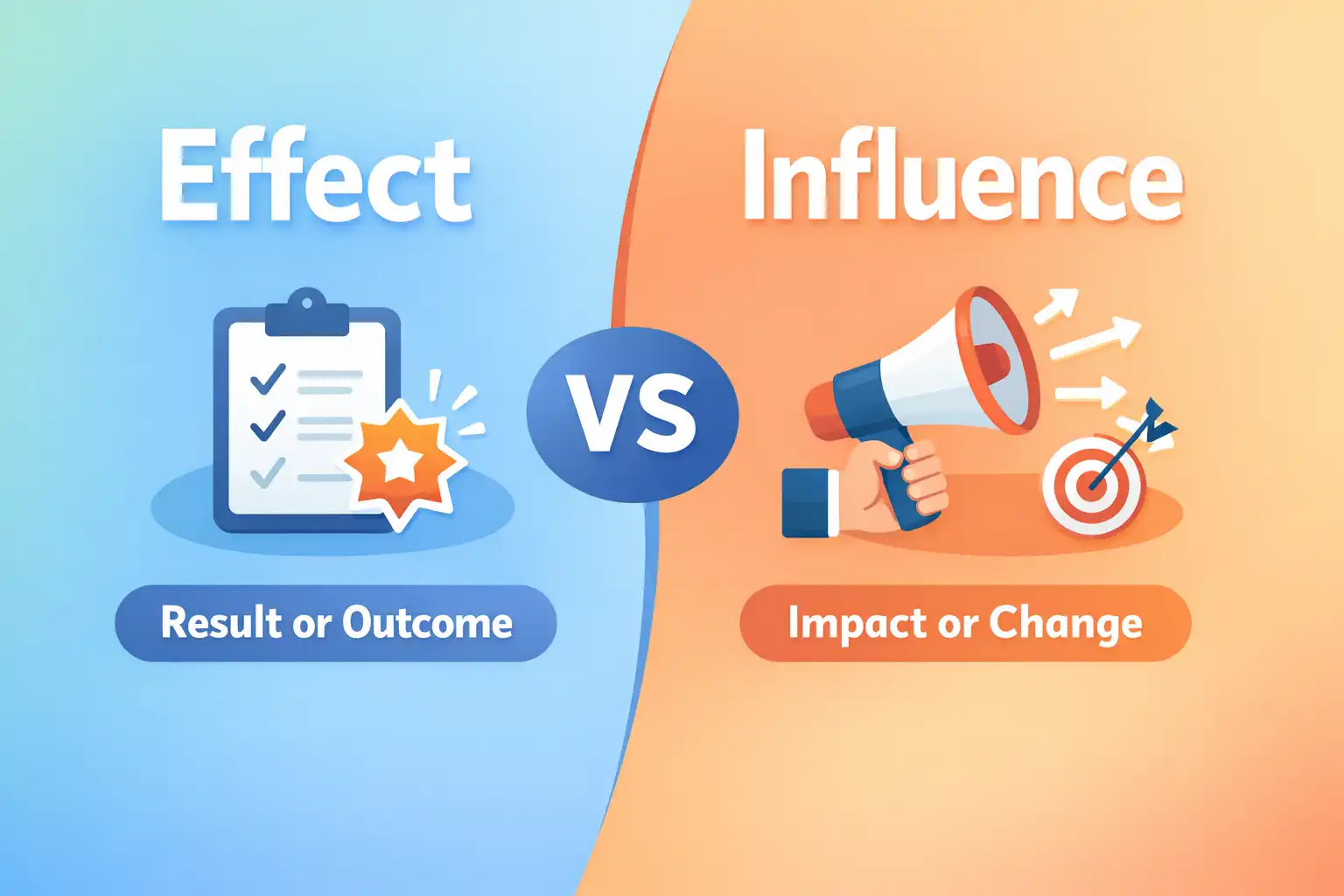
effect vs influence

Many learners search for effect vs influence because both words seem similar. Both talk about change. Both appear in news, essays, and daily speech. So people often mix them up. The confusion usually happens when someone wants to describe how something changes another thing. Should you say something had an effect or had an influence? … Read more
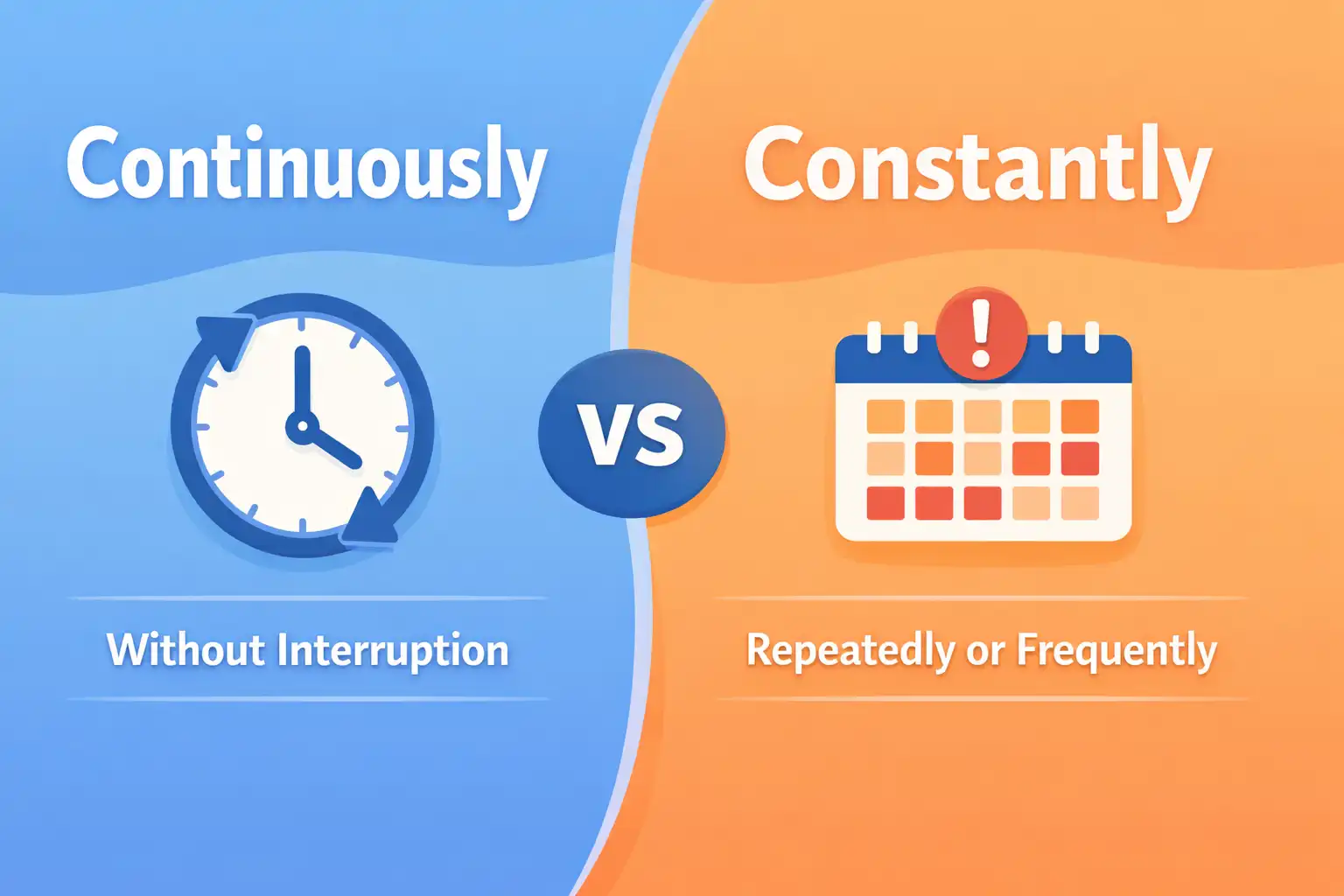
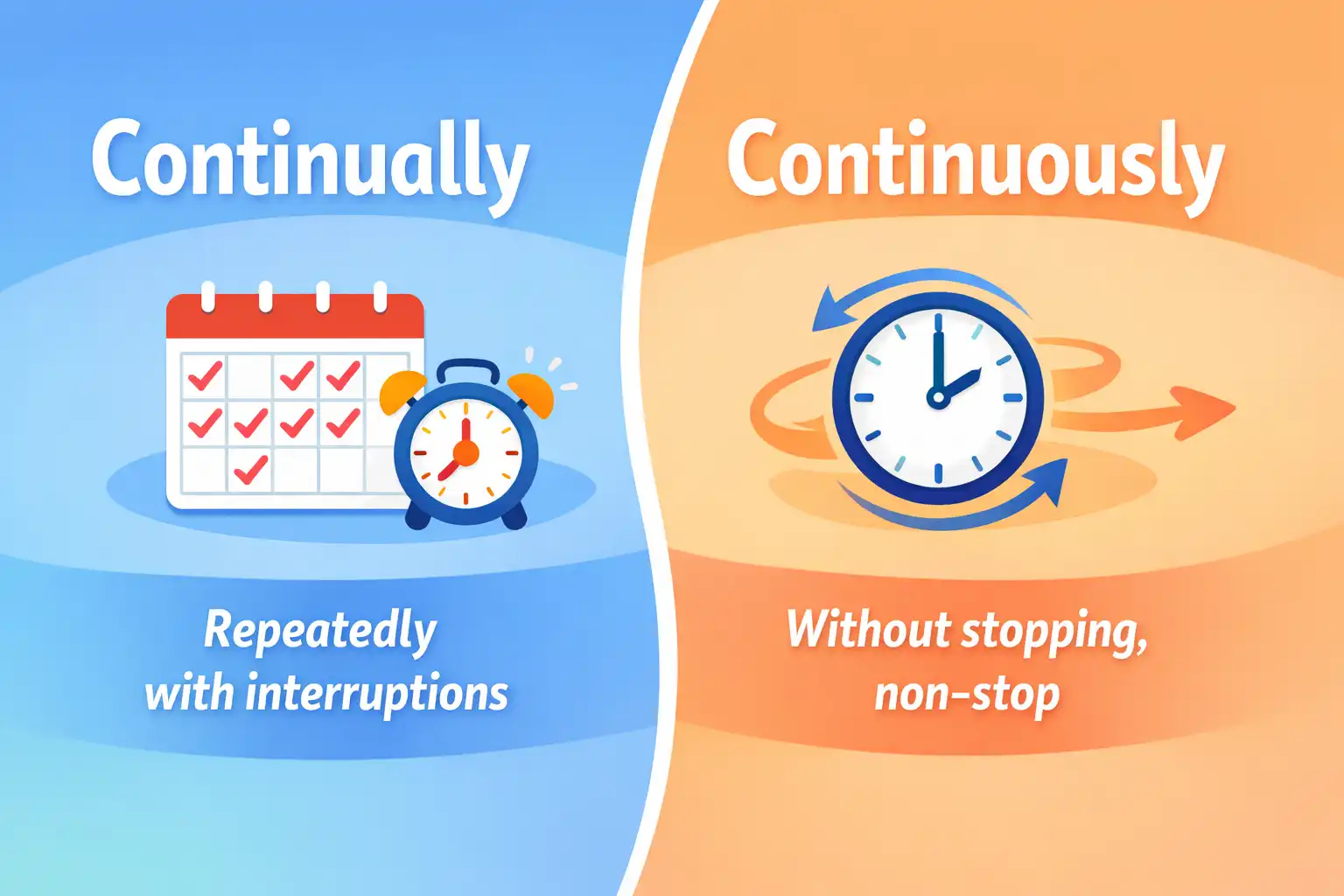
Continuously vs Constantly: Clear Difference Guide

continuously vs constantly

Many English learners mix up continuously vs constantly. The words look similar. They also appear in similar sentences. Because of this, many writers use them the wrong way. The confusion often happens when people want to describe something that happens again and again. For example, someone may say “The phone rang continuously” when they actually … Read more

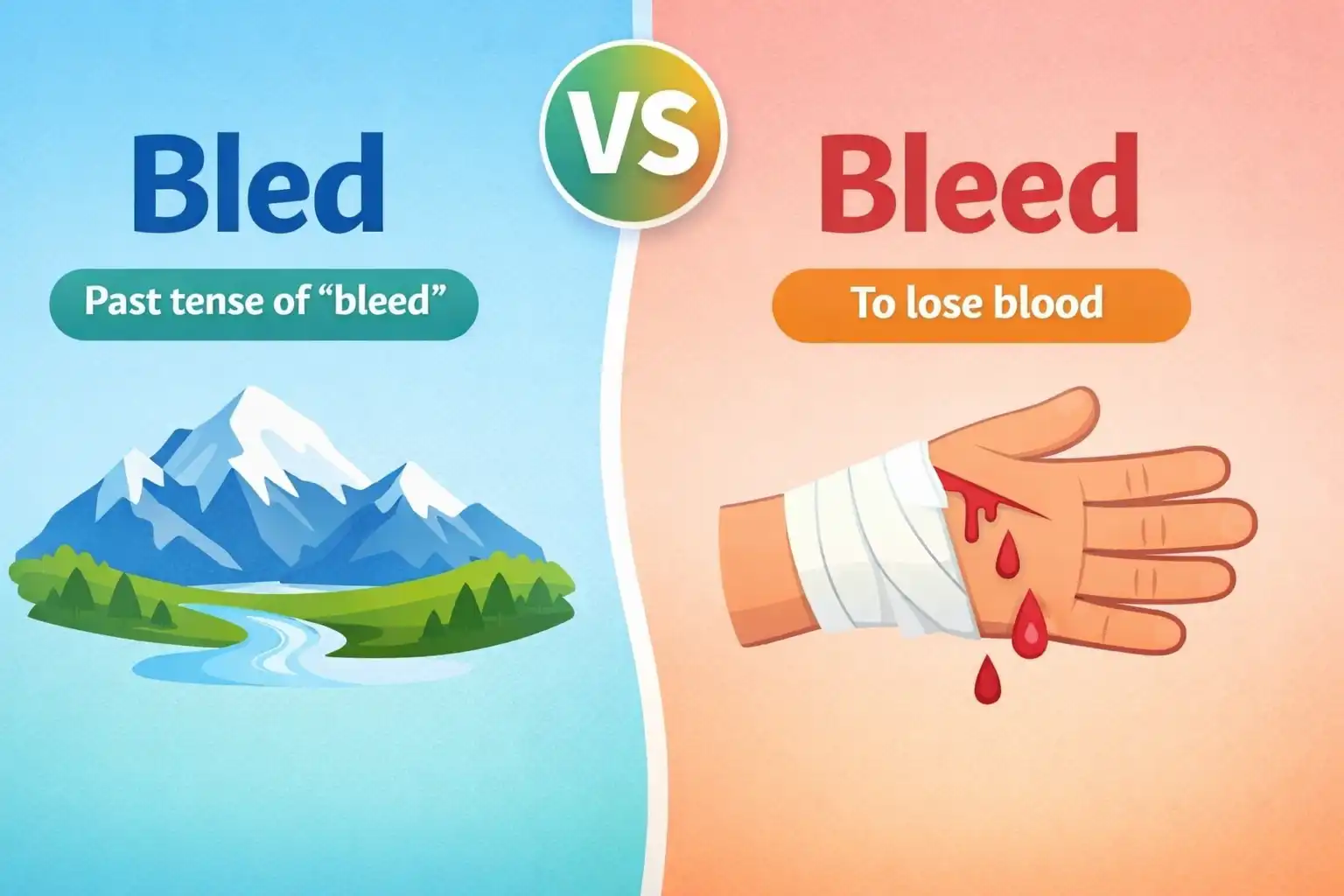
Bled vs Bleed: What’s the Difference? Simple Grammar Guide for Clear English

bled vs bleed

Many English learners search for “bled vs bleed” because both words look almost the same. They come from the same verb, but they are used in different situations. This small change in form often creates big grammar mistakes. Students, ESL learners, and even writers sometimes mix them up. For example, someone may write “He bleed … Read more

Increased by vs Increased to — Clear Difference Explained

increased by vs increased to

Many English learners pause when they see phrases like “increased by” and “increased to.” Both appear in news, reports, emails, and school writing. However, they do not mean the same thing. A small mistake can change the meaning of a sentence. Writers often confuse these phrases when talking about numbers, prices, or statistics. For example, … Read more

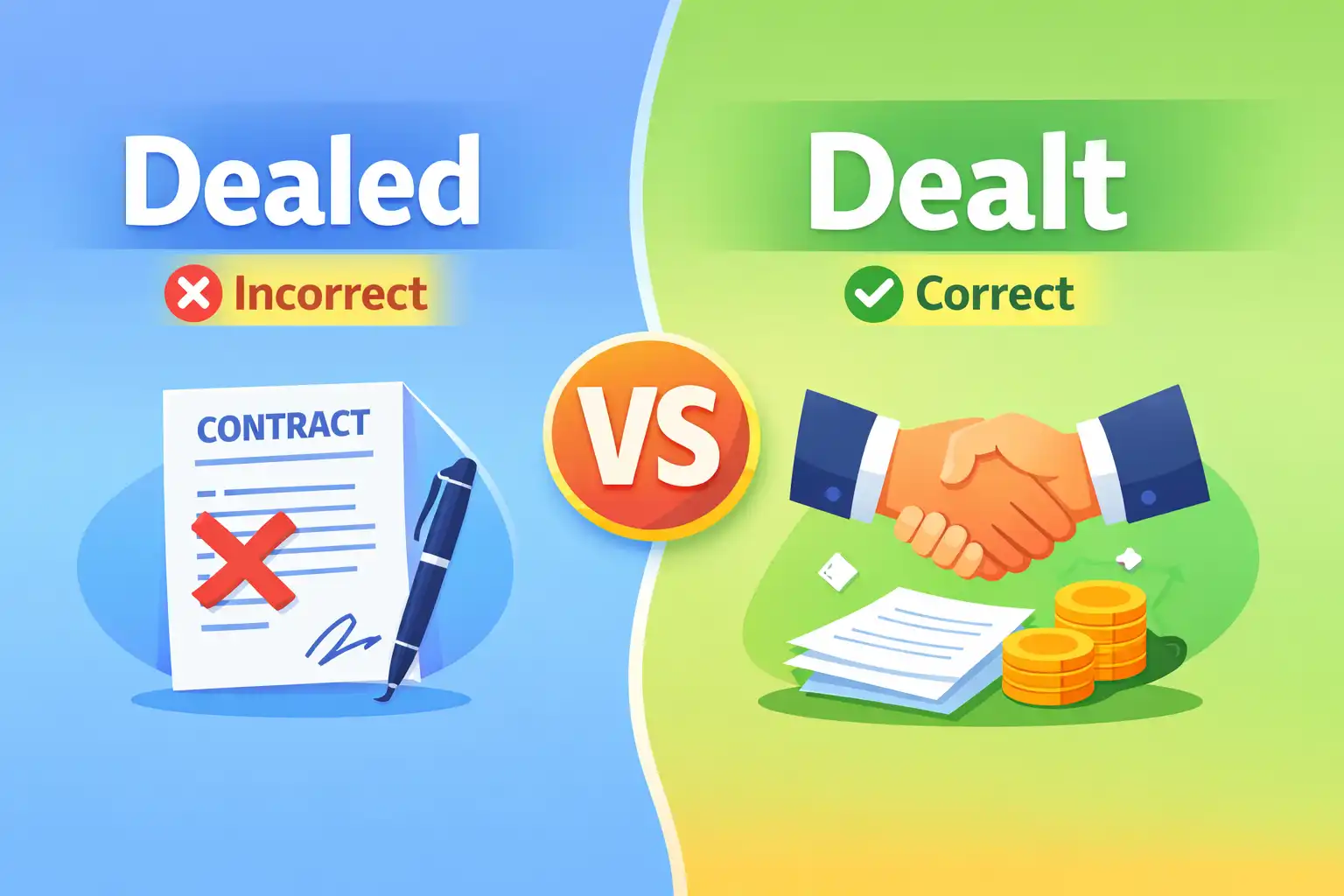
Dealed vs Dealt: Which Past Form of “Deal” Is Actually Correct?

dealed vs dealt

Many English learners type “dealed vs dealt” into Google because both words look possible. The verb deal is common in daily English. People use it in business, games, news, and conversation. Yet the past form often causes confusion. Writers, students, and ESL learners frequently ask: Is “dealed” correct? Or should we always write “dealt”? The … Read more